What Is Casa Hogar Alegre?
A Children's Home in Chiapas, Mexico

Casa Hogar is a private social assistance center for children in Tuxtla Gutiérrez, Chiapas. Most of the children are not orphans: they have families who cannot care for them. It has been open since 1993.

Casa Hogar Alegre: an orphanage in Tuxtla Gutiérrez, Chiapas

Chiapas is Mexico's southernmost state, on the Guatemalan border, and its poorest. Tuxtla Gutiérrez is the capital.

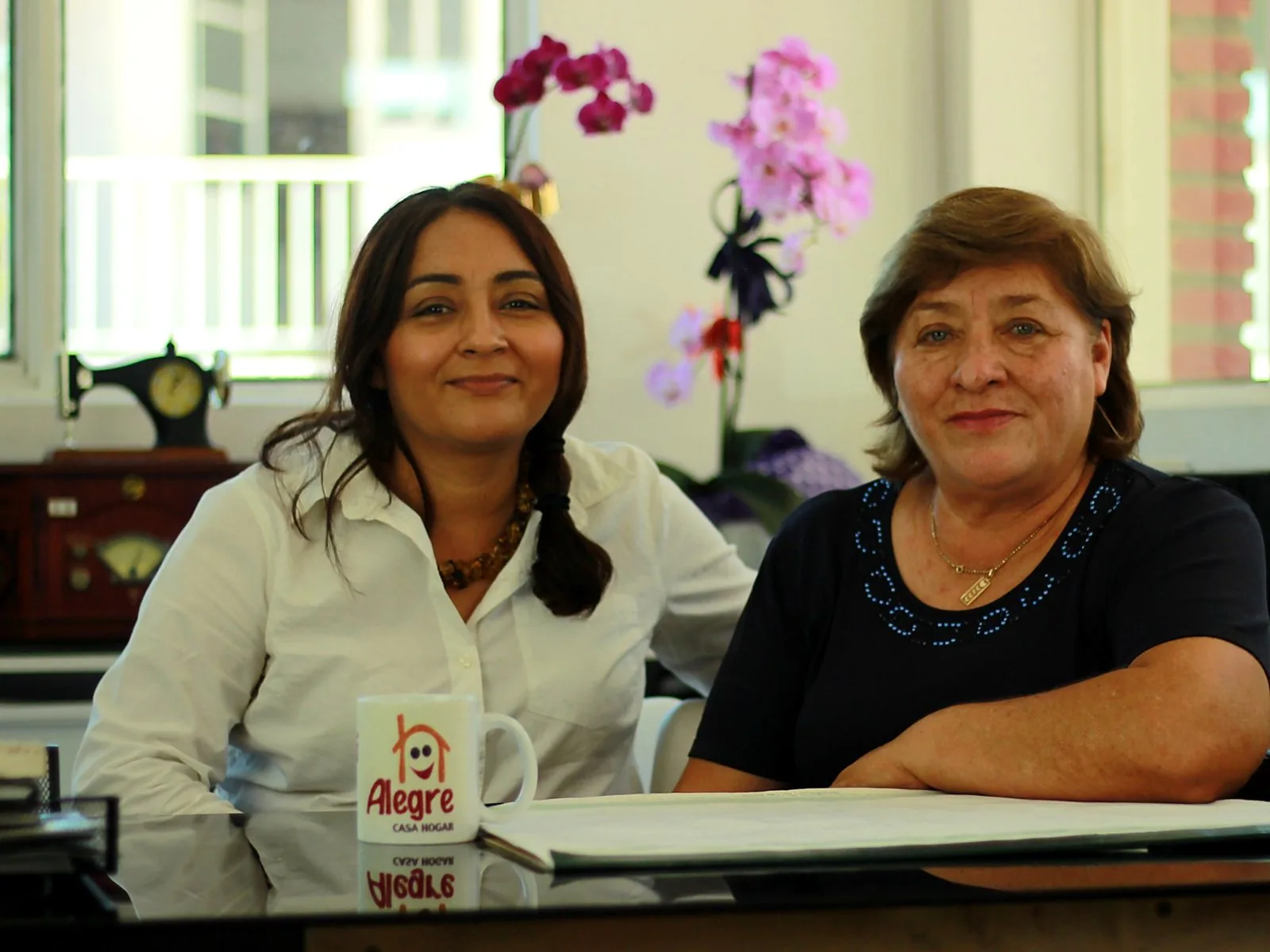
Elizabeth Castelazo — everyone calls her Mama Liz — opened the home in 1993 with her two children. Merari, her daughter, now helps to run the orphanage.

Mama Liz Castelazo and her daughter Merari, who run Casa Hogar Alegre in Tuxtla Gutiérrez, Chiapas
91
Children Housed
From Babies
to University
Ages We Care For
1993
Caring for Children Since
Privately
Funded
Donors, Groups & Partners

Why children can stay past eighteen at this casa hogar

There are babies here, and there are young adults in their twenties. That range is the thing that tells you most about how this home works.

Legally, the home's responsibility ends when a child turns eighteen. In practice, they can stay. A young person who wants to keep studying — trade school, university — stays, as long as their conduct is good. So does someone who has just started a first job and is saving to move out.

For example, Ingrid is in her eighth semester of nursing school and still lives here.

We do this because education is what breaks the cycle of poverty — and poverty is part of what brought many of these children here in the first place. Turning someone out at eighteen, halfway through a degree, sends them back to the circumstances they were taken from.

Most institutions release young people at eighteen, because that is where their obligation ends. This one treats eighteen as the year someone starts deciding what to do — not the year they are asked to leave.
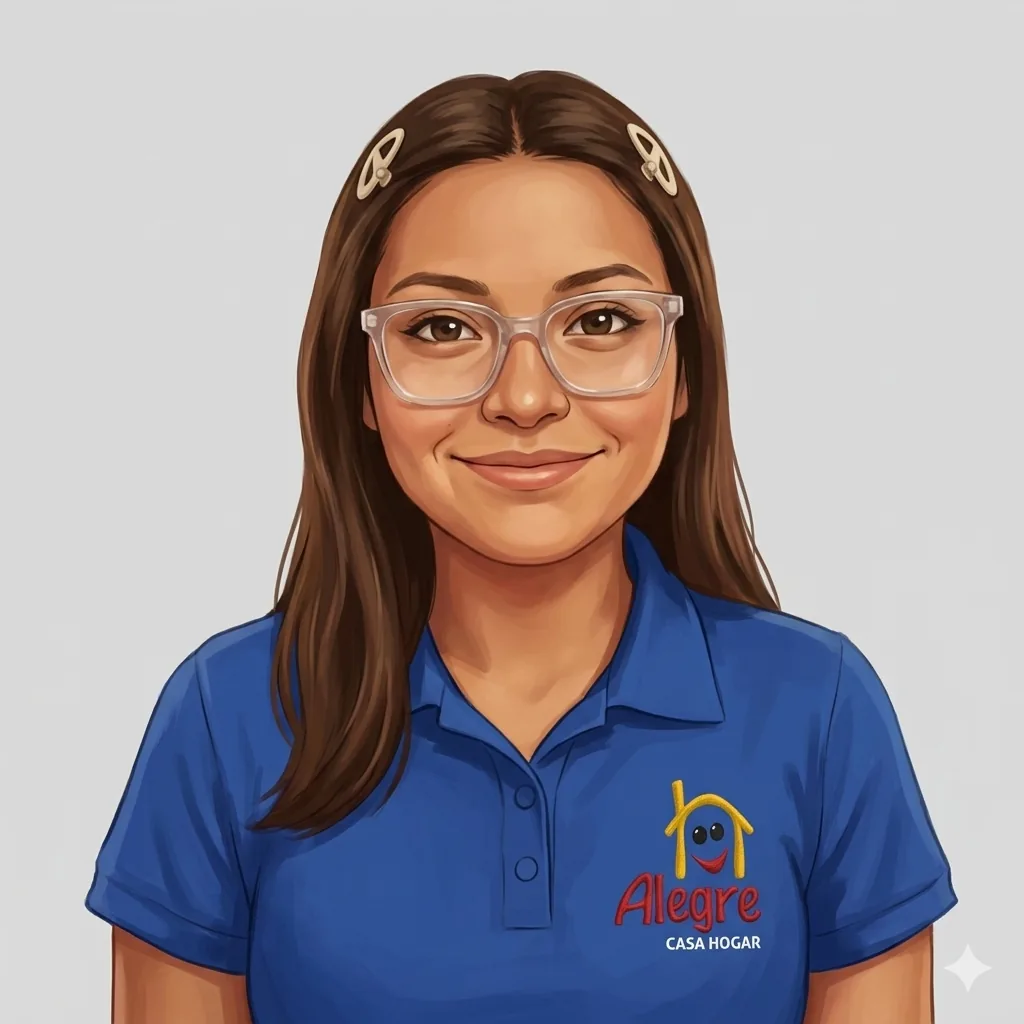
Ingrid, a resident of Casa Hogar Alegre studying nursing

Ingrid · eighth semester of nursing school

School, meals and care inside the casa hogar

Children do not leave the property to go to school. Casa Hogar Alegre runs its own instruction on campus, from maternal through high school:

  • Core academics — maths, science, reading
  • English as a second language
  • Music and cultural heritage
  • Vocational and technical training
  • Bible study

Trade school and university are off campus, and young people who go on to either keep their place at the home while they study.

Alongside the classrooms: three meals a day and a snack during school hours, medical care, on-site psychological support, and sport.

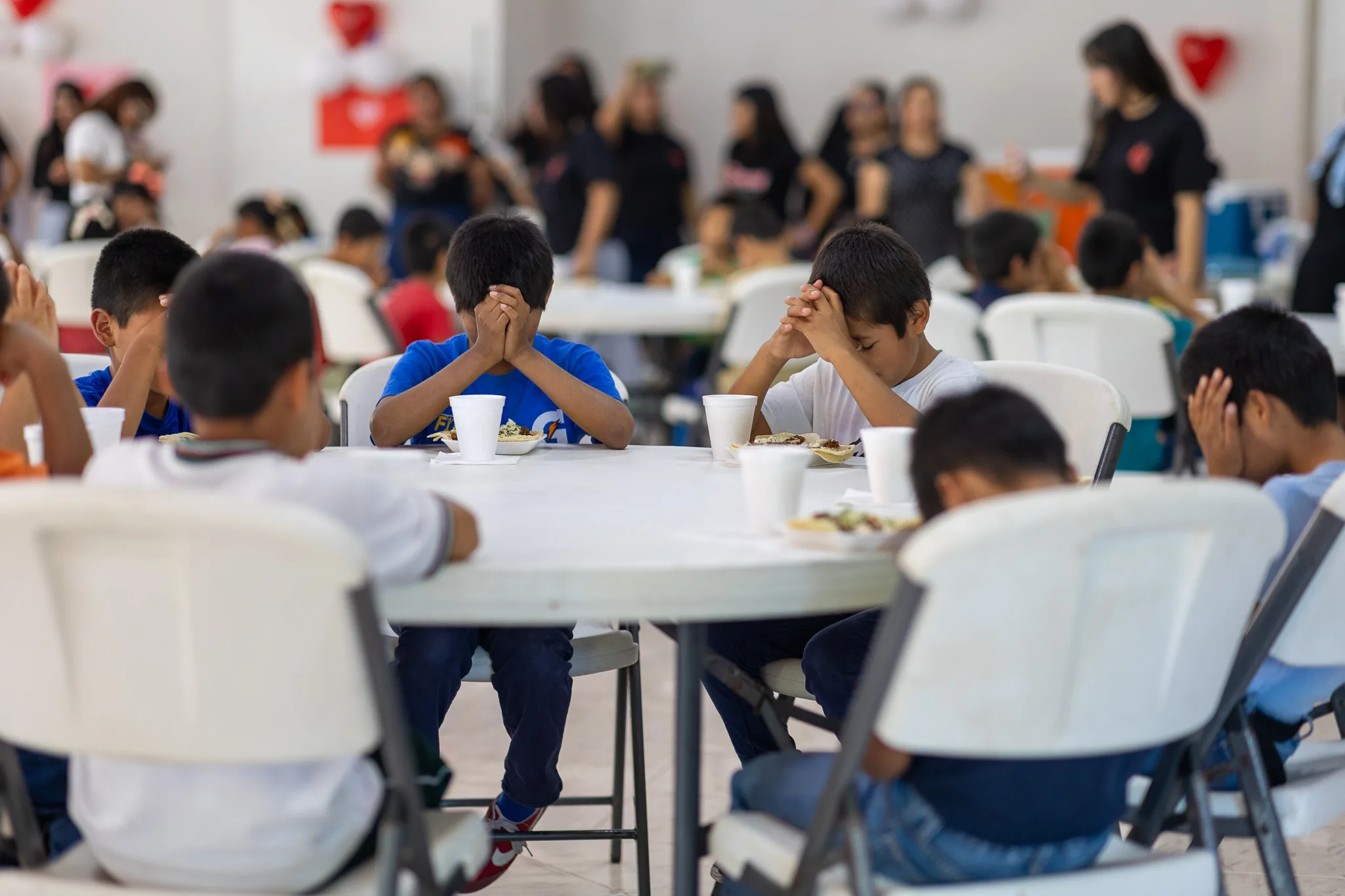
Children at Casa Hogar Alegre pausing before a meal

How this orphanage in Mexico is funded

Casa Hogar Alegre is privately funded. Food, the home's own school, medical care, the adults who raise the children and the buildings themselves are paid for by individual donors, by the groups who come to visit, and by partner organizations. That is how it has worked for over thirty years now.

There is no endowment and no guaranteed budget. What arrives in a month is what the home has to work with — and a short month is not an abstraction. It means fewer outings, less sport, less protein at the table, and school materials and maintenance that wait.

That is what a monthly sponsorship changes: it makes part of the year predictable.

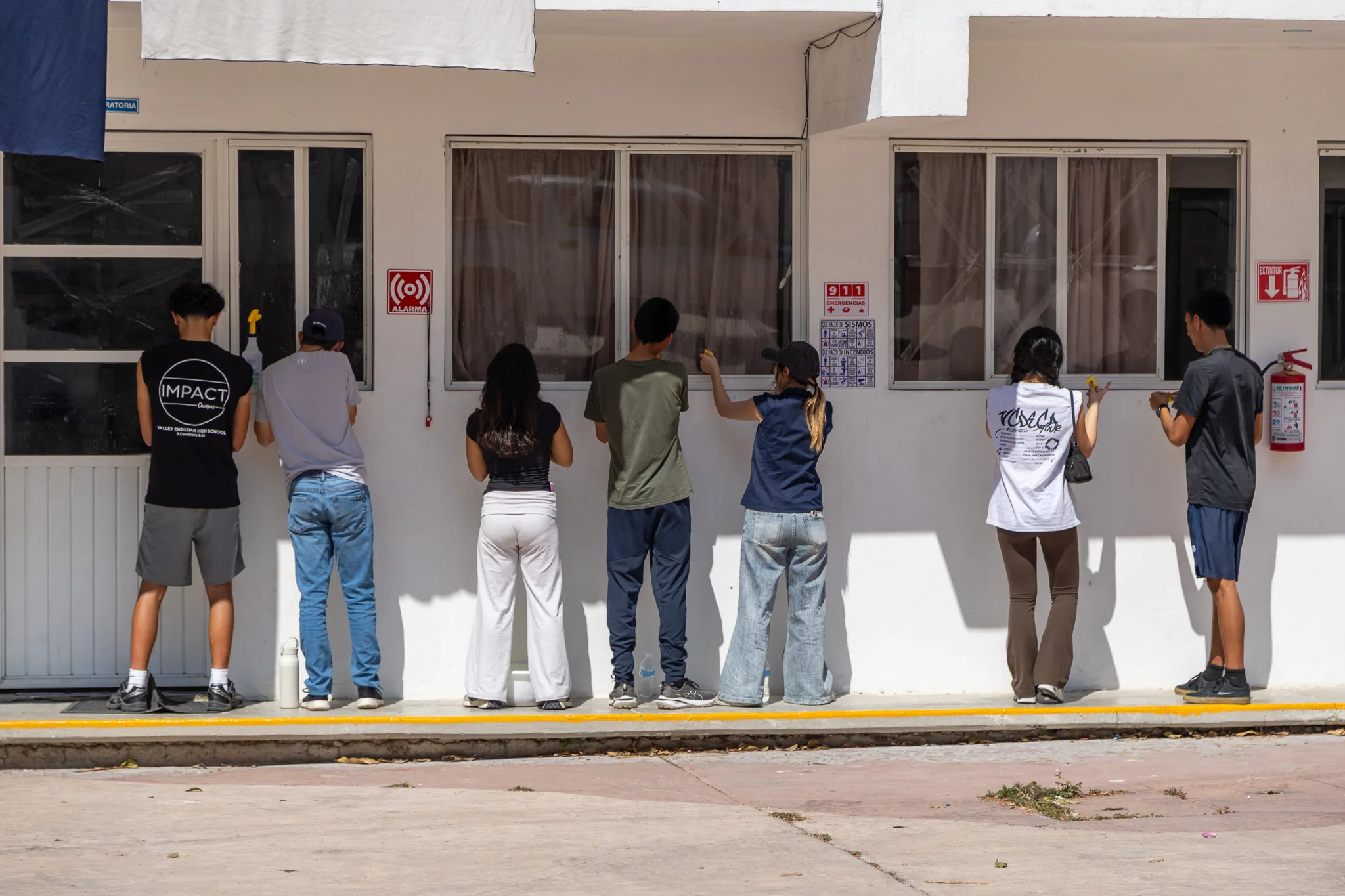
A visiting group at work on the Casa Hogar Alegre campus

Bringing a mission group to Casa Hogar Alegre

Casa Hogar Alegre hosts groups from churches and schools. It does not organize trips. If your group is already planning to come to Chiapas, the home will help you arrange your time here — what to work on, where to stay, how the days run.

Groups paint, build, run activities, and sit with the children. There is no minimum age: families have come with babies, and schools bring high-school students with teachers.

Everyone flies into Tuxtla Gutiérrez (TGZ) — from California, crossing to Tijuana through the CBX bridge for the direct TIJ–TGZ flight; from elsewhere, connecting through Mexico City or Cancún.

Most sponsors who have been here started as someone on a trip.

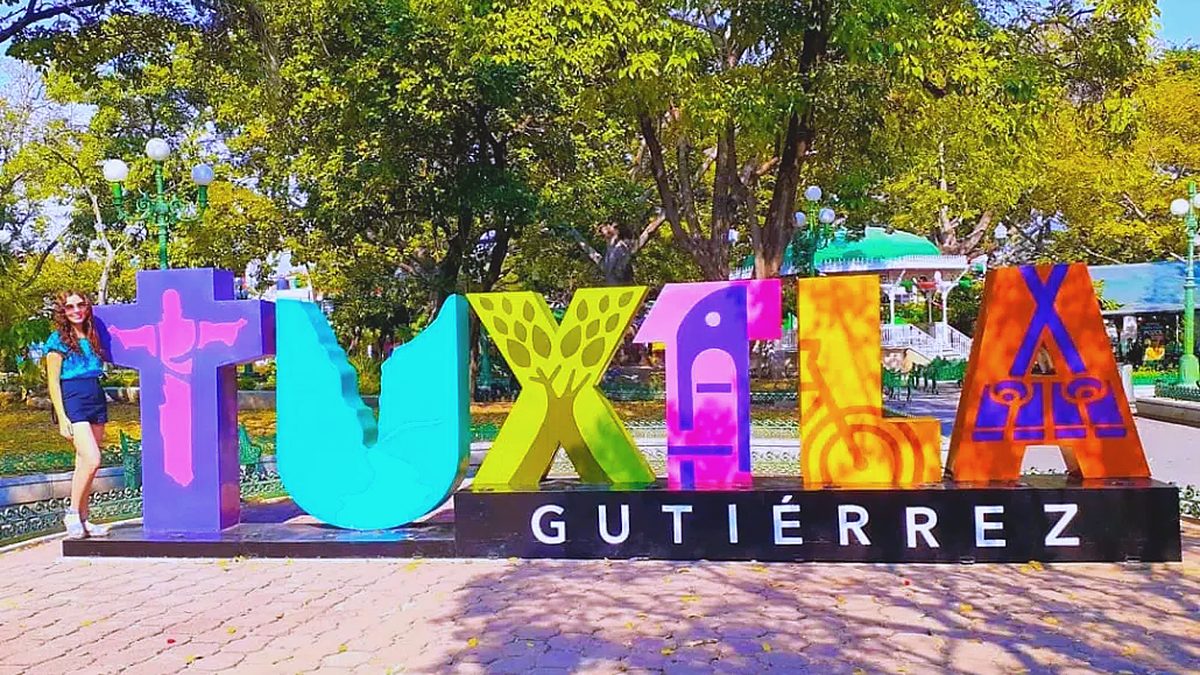
The Tuxtla Gutiérrez letters in the main square of the Chiapas state capital, Mexico

What else is here: Chiapas beyond the home

Serving at Casa Hogar Alegre is why groups come. It is rarely the only thing they remember.

The home sits in one of the richest corners of Mexico — a state of canyons, cloud forest and Maya cities, where the food changes every hour you drive and the mountains on the horizon are planted with coffee.

Coffee country

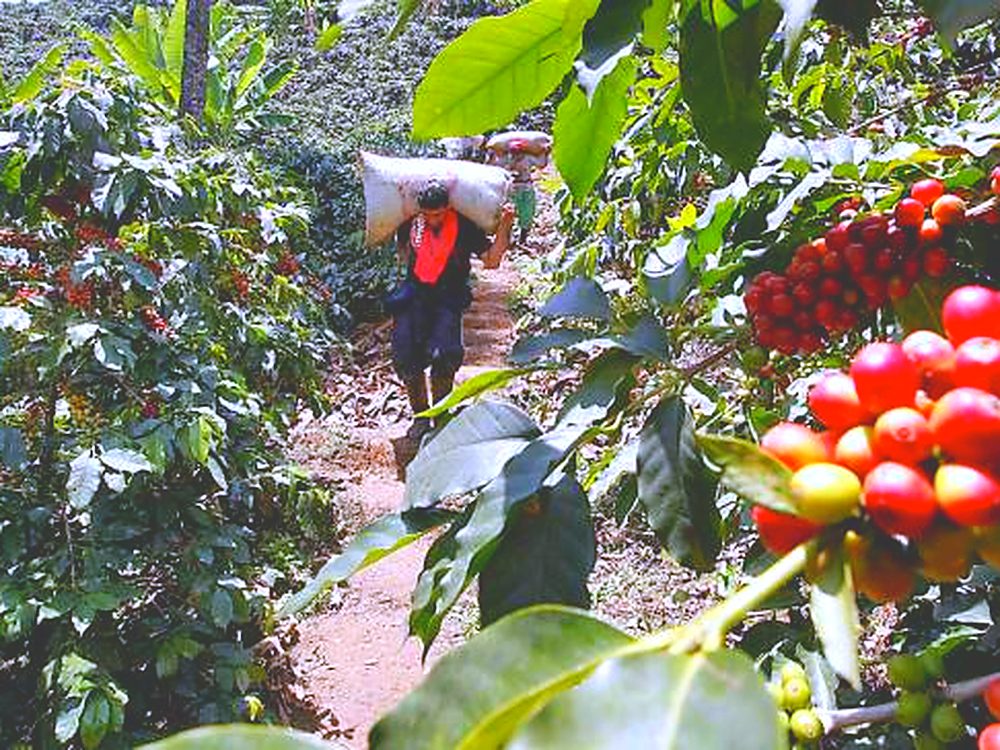
A coffee picker carrying a sack of harvested cherries between the bushes on a mountain farm in Chiapas, Mexico

Chiapas grows more coffee than any other state in Mexico, and almost none of it on anything you would call a plantation. It comes from small family plots on the slopes of the Sierra Madre, between a thousand and seventeen hundred metres, grown in the shade of the forest that was already standing there.

It is picked by hand, cherry by cherry, because the mountain is too steep for machines and because a branch ripens a few beans at a time. Drive through those villages in harvest season and you pass patio after patio of beans drying in the sun, raked into stripes and turned by whoever is nearest the door.

This is coffee country with a name well beyond Mexico. Lots off these mountains have taken first place in the country's national cupping competition, and they are bought by specialty roasters abroad.

And a group does not have to see it from the road. Broken Rib Coffee, the program's coffee partner, takes visitors through the whole thing on the ground — from the branch to the cup, explained in as much detail as you care to go.

Close to the home

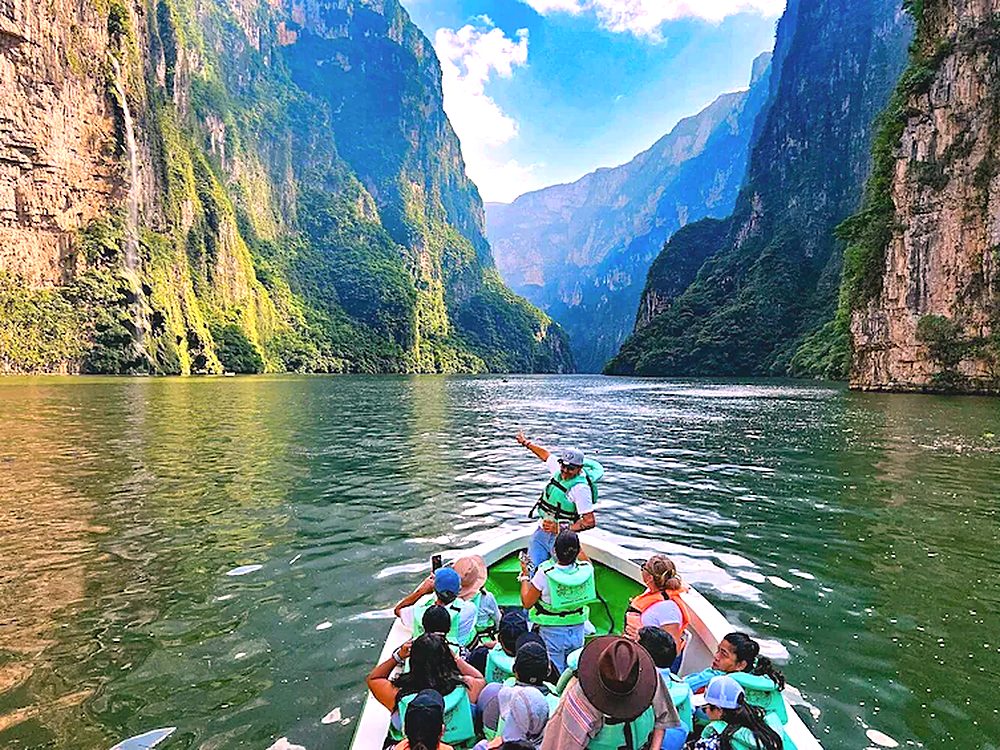
A boat of visitors on the Grijalva river inside the Cañón del Sumidero, near Tuxtla Gutiérrez, Chiapas

Cañón del Sumidero

You go in by boat, at water level, and the walls climb a thousand metres on either side. You spend the hour with your head tilted back. Crocodiles on the banks, vultures turning overhead, and a waterfall that has grown moss into the shape of a Christmas tree.

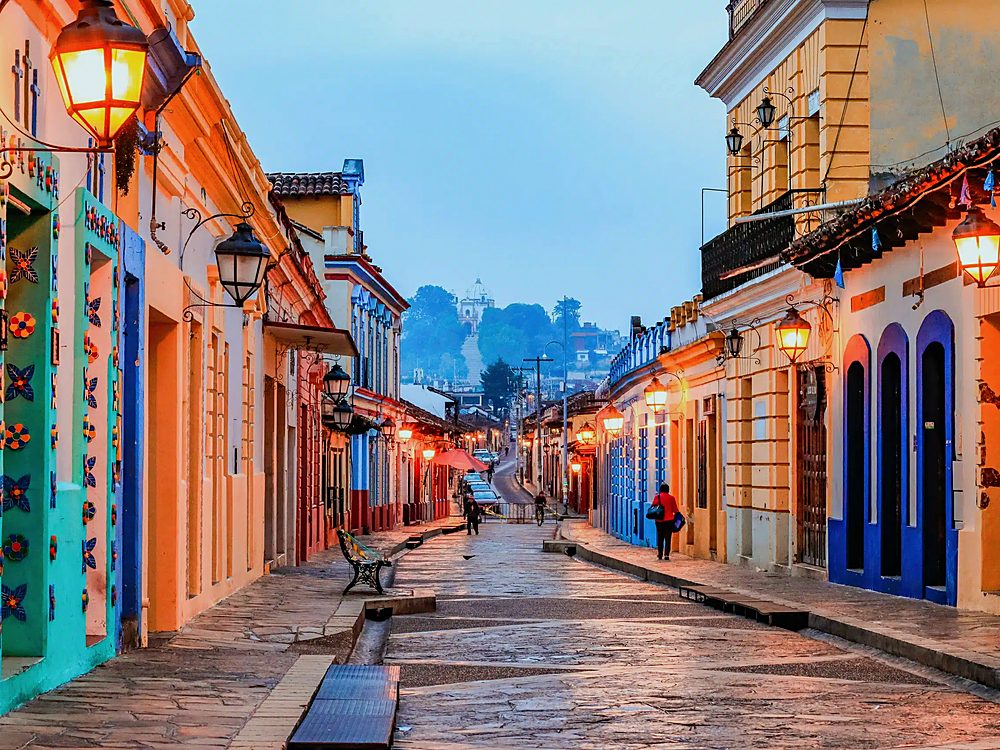
A colonial street in San Cristóbal de las Casas, Chiapas, at dusk with the lamps lit

San Cristóbal de las Casas

Two thousand two hundred metres up, and cold at night. Tsotsil women sell textiles on the steps of a baroque church while someone roasts Chiapas coffee two doors down. The old and the new are not displayed side by side here for visitors. They are simply both in use.

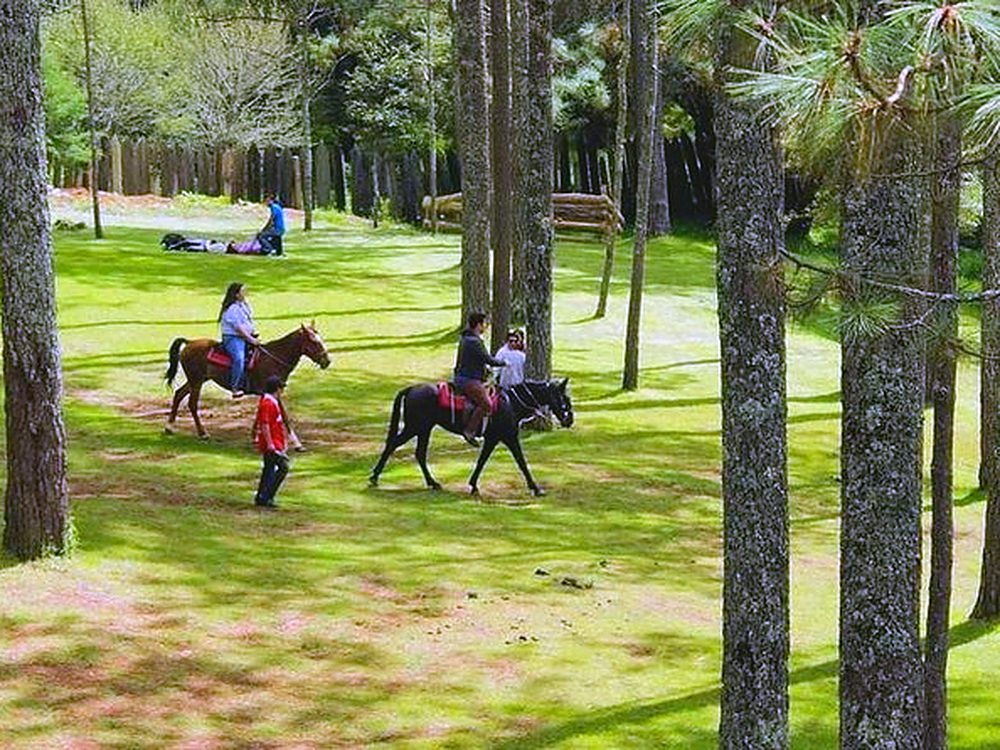
Horseback riding among the pine trees at Rancho Nuevo, in the Chiapas highlands

Rancho Nuevo

Pine forest on the road up the mountain. Horses to ride between the trunks, a zip line strung through the trees, and underneath all of it a cave you can walk into — stalactites, cold air, and the sound of a whole group going quiet at once.

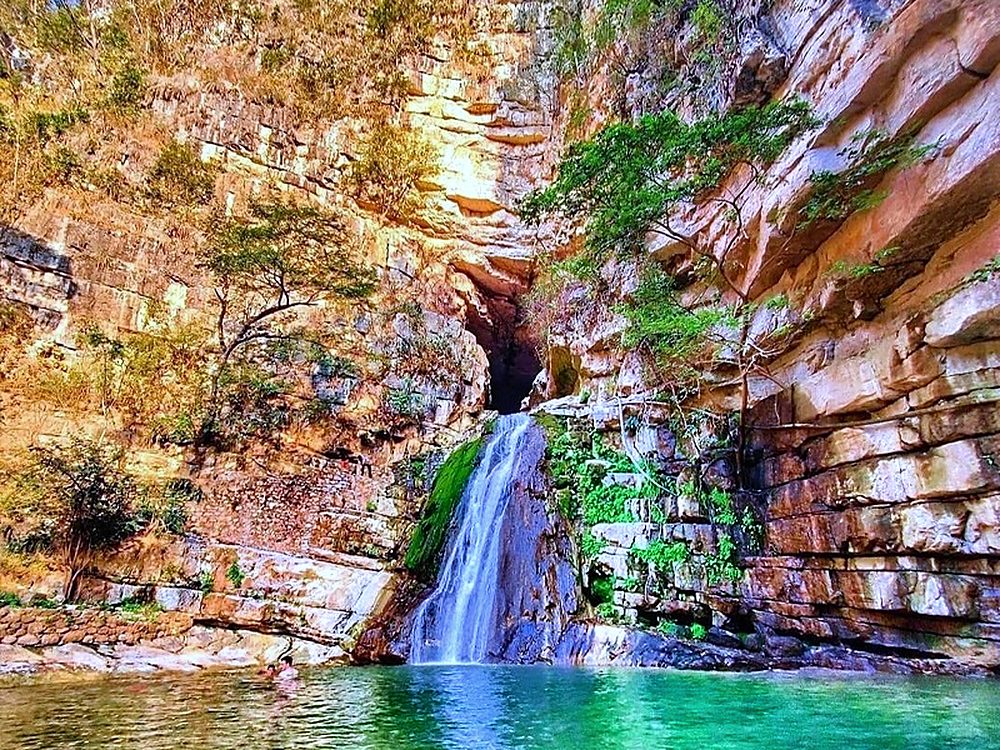
The El Chorreadero waterfall falling from a cave mouth into a turquoise pool, Chiapas, Mexico

Cascadas El Chorreadero

The river comes out of the side of a mountain already a waterfall, and drops into pools cold enough to make everyone shout. The closest place to swim, and the easiest afternoon to add to a week of work.

Worth a longer drive

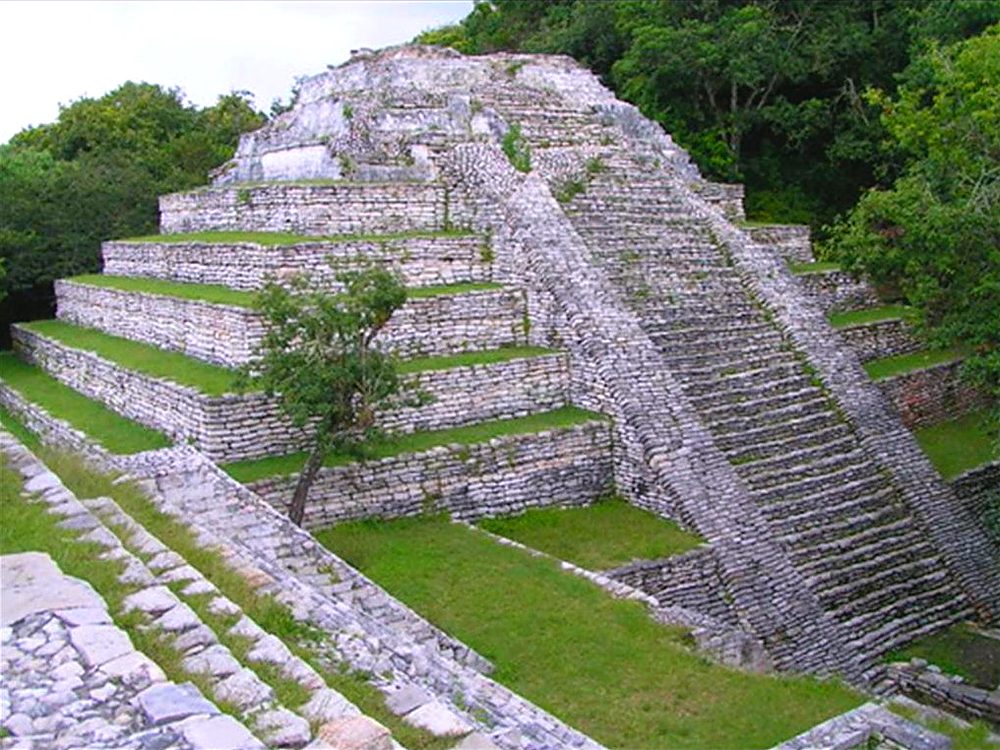
The stepped Maya pyramid at the Tenam Puente archaeological site near Comitán, Chiapas

Tenam Puente

A Maya city built in terraces up a hillside, with ball courts and the whole valley below. You will rarely share it with more than a handful of people, which is most of what makes it worth the drive.

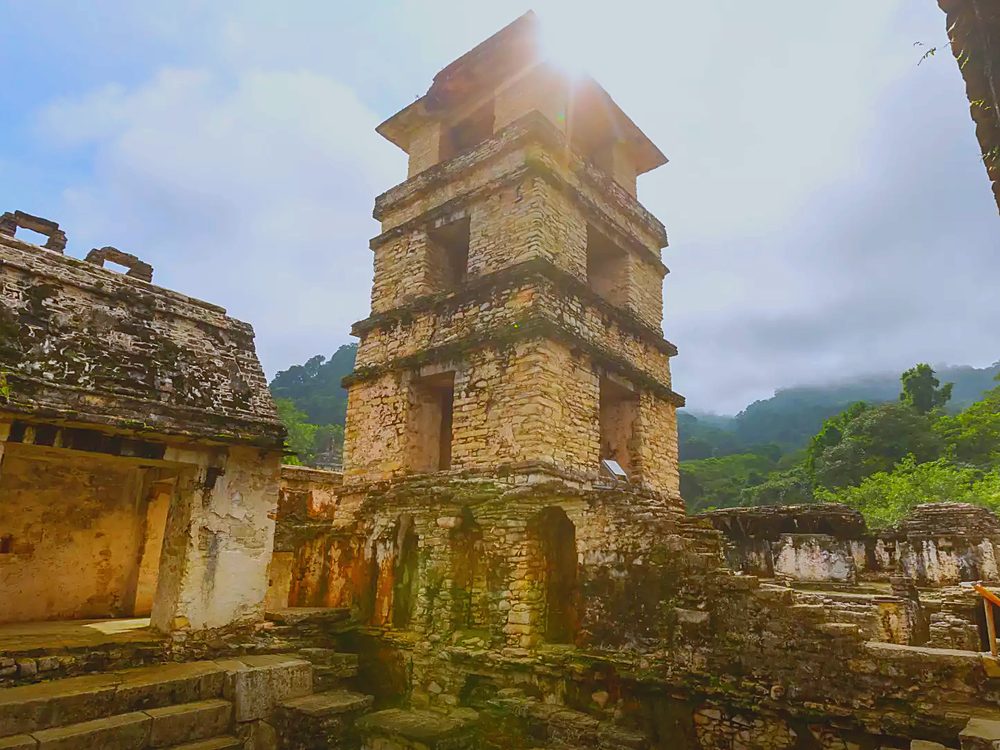
The tower of the Palace at Palenque, the Maya city in the Chiapas jungle, Mexico

Palenque

The jungle closes over it, and the howler monkeys start before first light. Pakal's tomb is here, under the Temple of the Inscriptions. Most of the city is still under the trees — found, counted, and left where it is.

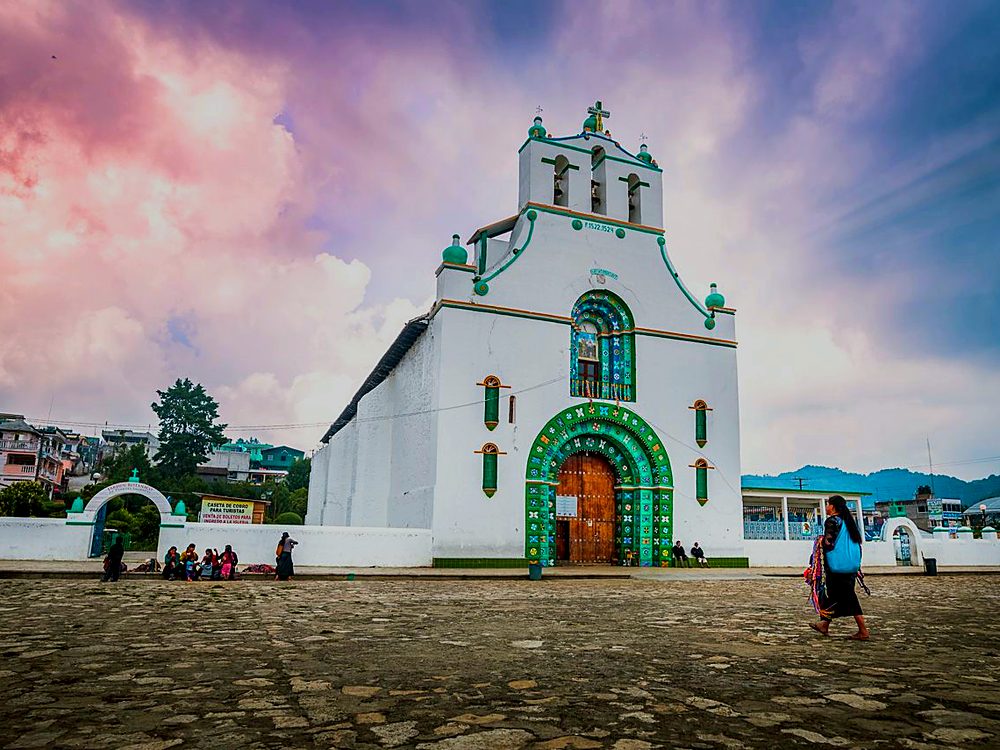
The church of San Juan Bautista in San Juan Chamula, a Tsotsil village in the Chiapas highlands

San Juan Chamula

The church has no pews and no mass. The floor is laid with pine needles, candles stand in rows on the stone, and families pray in Tsotsil beside a healer. Photographs are not allowed inside, and it is worth understanding why before you go.

Groups normally fit one or two of these around the work. Tell the home your dates and they will say what is realistic — both for the days at Casa Hogar Alegre and for everything around them.

Write to us about bringing a group →

Sponsor a child at Casa Hogar Alegre

Sponsorship is $45 a month. Donations are received by Baja Bound Ministries, a U.S. 501(c)(3), which issues tax-deductible receipts and sends the funds to Chiapas each month — deducting only the card processing fee and passing the rest on intact.